In the Press...
SeafoodSource article on the CECC's 2025 Annual Report'US commission on China calls on Congress to do more to curtail forced labor in seafood supply chain'By Chris Chase The U.S. Congressional-Executive Commission on China’s (CECC) latest annual report – released to coincide with International Human Rights Day – features seafood prominently as it calls on Congress and the U.S. government as a whole to do more to combat forced labor. Seafood from China has been under scrutiny by the U.S. government, in part thanks to a report released by The Outlaw Ocean Project which released findings of a multi-month investigation into the global seafood supply chain. That investigation found extensive evidence of forced labor in processing facilities operated by multiple Chinese companies connected to the U.S. supply chain and U.S. companies. A later report revealed further evidence of Uyghur and forced labor being used by the Chinese processing industry, and Outlaw Ocean followed that report up with one in 2024 on the presence of North Korean laborers, the abuses they suffer, and the seafood produced by them present in the U.S. supply chain.
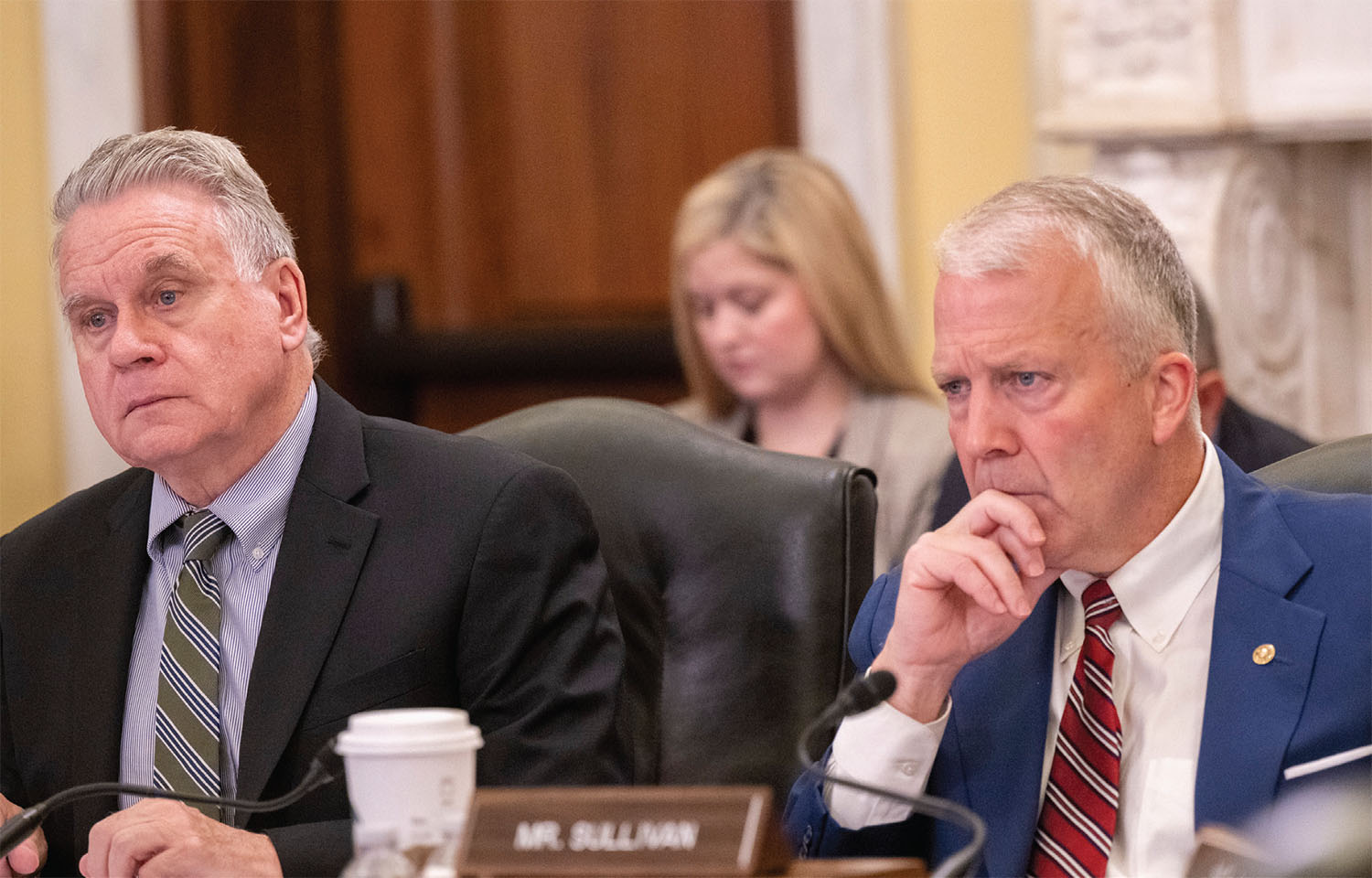
Since that time, the U.S. government has placed an increased focus on Chinese seafood and removing seafood linked to forced labor from the supply chain. The CECC first called for an investigation into allegations from the first Outlaw Ocean report on Uyghur labor and later called on the administration of former U.S. President Joe Biden to collaborate across departments to determine whether seafood processed in China using North Korean labor was making its way into the U.S. Those efforts have continued in 2025, as U.S. lawmakers demanded the elimination of Chinese-sourced seafood from its military, called for harsh sanctions against Chinese seafood over human rights violations, and recently the U.S. House Foreign Affairs Committee approved the Stop Illegal Fishing Act which would impose sanctions on foreign individuals and vessels connected to illegal, unreported, and unregulated (IUU) fishing – particularly China’s distant-water fleet. The CECC’s latest report continued those calls for action and again highlighted seafood in what it said was evidence of promises broken by the Chinese government. “Promises made, promises broken: The People’s Republic of China – in reality, a party state run by and for the benefit of the Chinese Communist Party – makes solemn commitments then governs as if those commitments are optional,” CECC Chair Senator Dan Sullivan (R-Alaska) and Co-Chair Representative Christopher Smith (R-New Jersey) wrote in the report. The two chairs said the broken promises by China are affecting Americans, including through the continued use of forced labor in seafood processing, which exposes U.S. consumers to seafood sourced unethically. “Where commitments are repeatedly set aside – on labor, religion, due process, or maritime norms – U.S. policy must be calibrated to address behavior that harms U.S. interests,” the chairs wrote. “That means sustained enforcement against forced labor, real traceability in high-risk sectors like seafood and lithium, and alignment of federal procurement with human rights standards so that American consumers and workers are not made to subsidize coercion.” The CECC said the U.S. government should work to stop imports of Chinese seafood associated with forced labor, both to defend the U.S. fishing industry from unfair competition and to pressure China and its corporations to end exploitive labor practices violating international standards. As part of that, the CECC has urged Congress to follow through on restricting Department of Defense spending on Chinese seafood imports, urged the Office of Management and Budget to issue clear guidance on procuring goods made with forced labor – particularly seafood processed in China – and said the secretary of state and U.S. director of national intelligence should issue a report on how much money is being exchanged between China and North Korea linked to seafood processing that skirts U.S. sanctions. On top of its calls for action from Congress, the CECC said the administration of U.S. President Donald Trump should work to implement its executive order on seafood and issue an interagency trade strategy to combat forced labor and IUU fishing, establish a blacklist of vessels that have engaged in IUU and of Chinese processing facilities implicated in using forced labor, and grant law enforcement more resources to investigate Chinese fleets engaged in IUU and processing facilities connected with forced labor. The CECC also said the U.S. government should strengthen its enforcement of the Uyghur Forced Labor Prevention Act – which includes more targeted sanctions for goods like seafood that were found to be connected to the use of Uyghur labor. “This year’s report underscores the important role of human rights in U.S. strategy and diplomacy,” the chairs wrote. “When forced labor undercuts American workers, when state-sanctioned hostage taking endangers our citizens, when censorship chills speech globally, and when international rules at sea are ignored, Americans pay the price.” |